
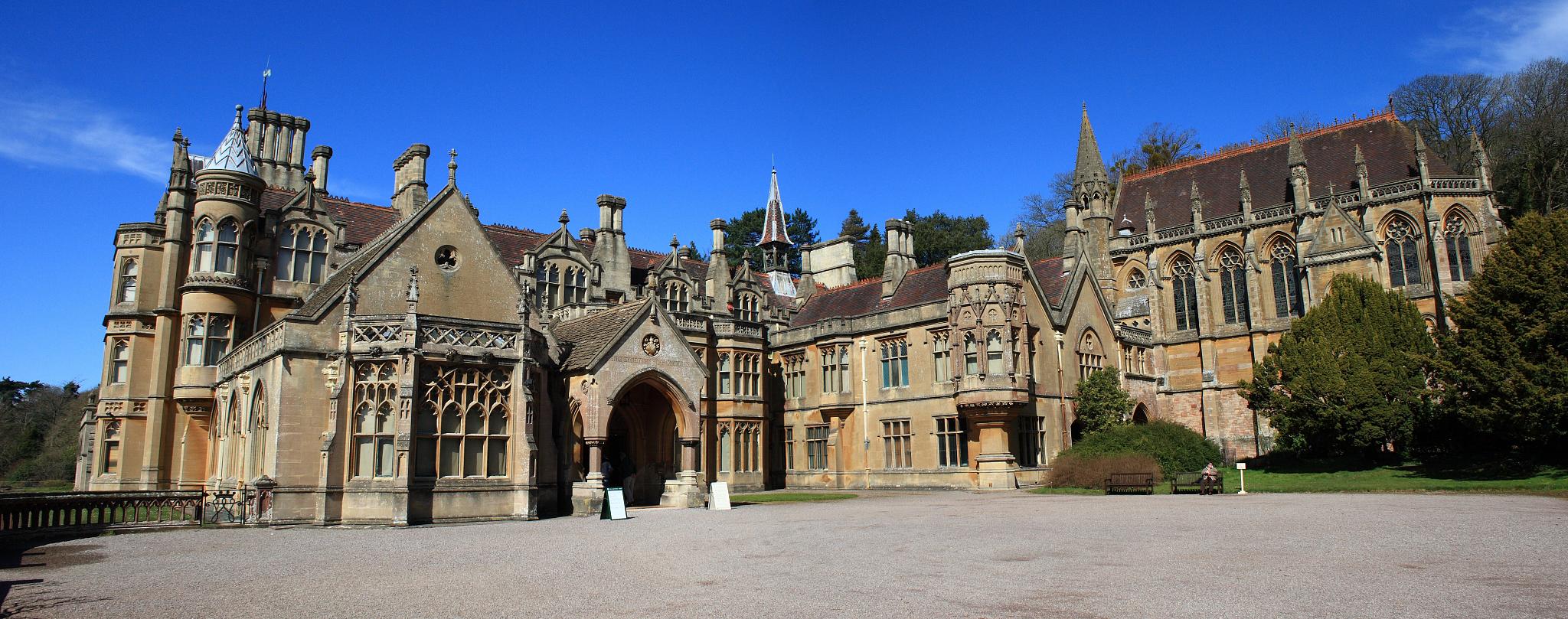
Tyntesfield is one of England’s most complete Victorian country estates, saved for the nation through a major acquisition supported by our funding.
A remarkable Victorian estate
Grade I listed Tyntesfield in North Somerset is of outstanding historic importance. Built up by merchant William Gibbs and his family from the mid-19th century onwards, the estate includes a Gothic Revival mansion, gardens, parkland and a collection of more than 60,000 objects.
What makes Tyntesfield particularly significant is its completeness. The house, its contents and its archive remained together for generations, creating a rare record of family life, collecting, design and social history from the Victorian period into the 20th century. Paintings, furnishings, wallpapers, books and everyday household items help tell this story.
Keeping Tyntesfield together
When Tyntesfield came up for sale in 2002, there was a real risk that the estate would be broken up. The house could have been converted to commercial use and many of its contents sold separately, permanently losing the connections between the building, its collections and its history.
The National Trust needed urgent support to prevent the loss of a nationally important place. Auction preparations were under way, making this a last opportunity to keep the estate together.
We awarded £17.4million towards the National Trust’s acquisition of the estate. At the time, it was the largest grant in the Fund’s history. The funding helped secure Tyntesfield as a single heritage site, protecting it for current and future generations.
Today, Tyntesfield is cared for by the National Trust and is open to the public. People can explore the house, grounds and collections, gaining a unique insight into Victorian life and the story of the Gibbs family.