
A letter, a manuscript, a photograph and a poem are just a small part of the unrivalled collection we brought from the USA to the UK. Discover how they reveal the man behind the music.
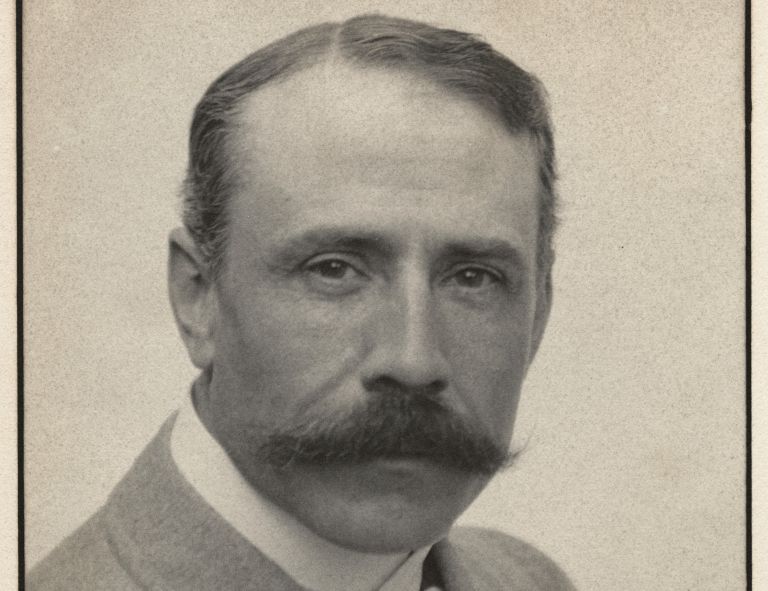
Edward Elgar (1857–1934) was one of the UK’s most famous composers. An archive of over 1,500 items that help to tell the story of his life and work is now being cared for by the Hallé, home to Manchester’s oldest symphony orchestra.
Heather Roberts, Project Archivist at the Hallé, explains why it’s so unique:
“Some of the best archives I have worked with preserve not just the final manuscript of a piece, or photographs and recordings of the perfected staging of it, but the mechanics of it all. That’s what this Elgar collection is for me. It shows the process, the personality, the connections, his triumphs and failures.”
How we helped bring the archive to the UK
In September 2026, we awarded the Hallé £104,514 for legal and transport costs from the USA to secure the collection as a complete archive.

Visitors can view it at the Bridgewater Hall by appointment. The Hallé plans to feature pieces from the collection in future exhibitions and create a permanent, fully accessible archive.
What the artefacts reveal about Elgar’s life
A letter
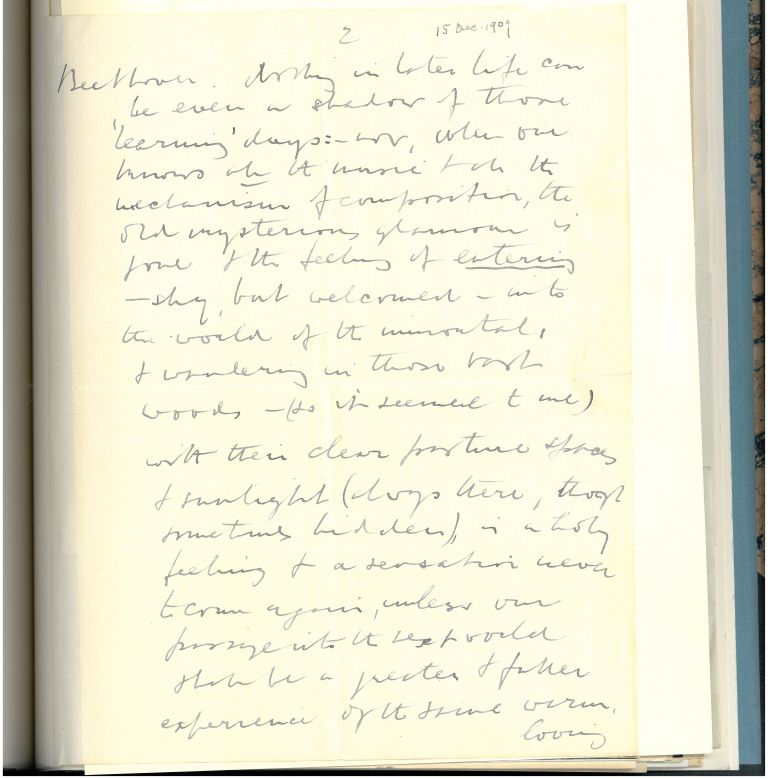
The collection gives insight into Elgar’s musical education and his own reflections on his learning.
Heather says: “I chose this extract of a letter to Edward Speyer from 1909 because it speaks to his love of the creative process and crafting his own musical voice, learning from the masters but forging his own path.”
The extract reads: “...the old mysterious glamour is true and the feeling of entering – shy, but welcomed – into the world of the immortals and wandering in those dark woods - (as it seemed to me) with their clear pasture [.] and sunlight (always there, though sometimes hidden), is a holy feeling and a sensation never to come again.”
A manuscript
Elgar developed his compositions over time through conversations with publishers and friends. By exploring his creative process, we can better understand and appreciate his music when we perform and listen today.
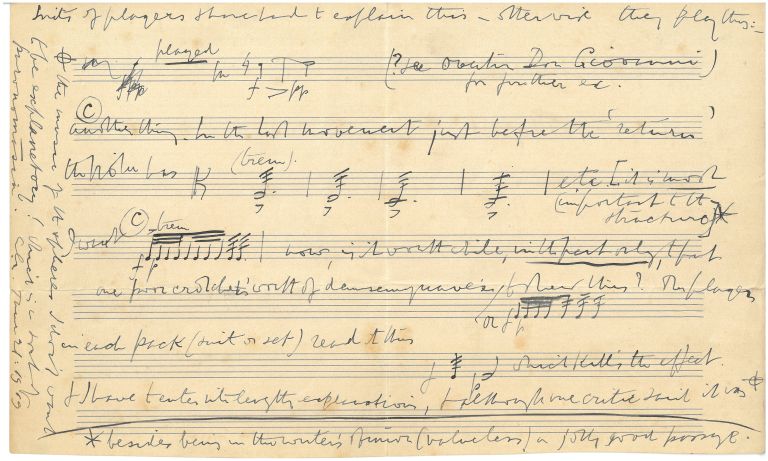
Elgar wrote only one piano quintet. He composed it a few months before the First World War ended. Although he retreated to rural Sussex to escape the realities of the war, many people have described the music as ghostly and eerie.
Heather explains: “This dark quality seems to sit within the orchestra and audience, almost taking possession of whoever plays and hears it. This supernatural agency is, in this simple scrap of manuscript, exorcised. The controlled nuance and creative vision of its creator is articulated with his notes to his publisher. He is possessed of intricacy in his talent as a composer, not quite so possessed by some supernatural agency acting through him.”
A photograph
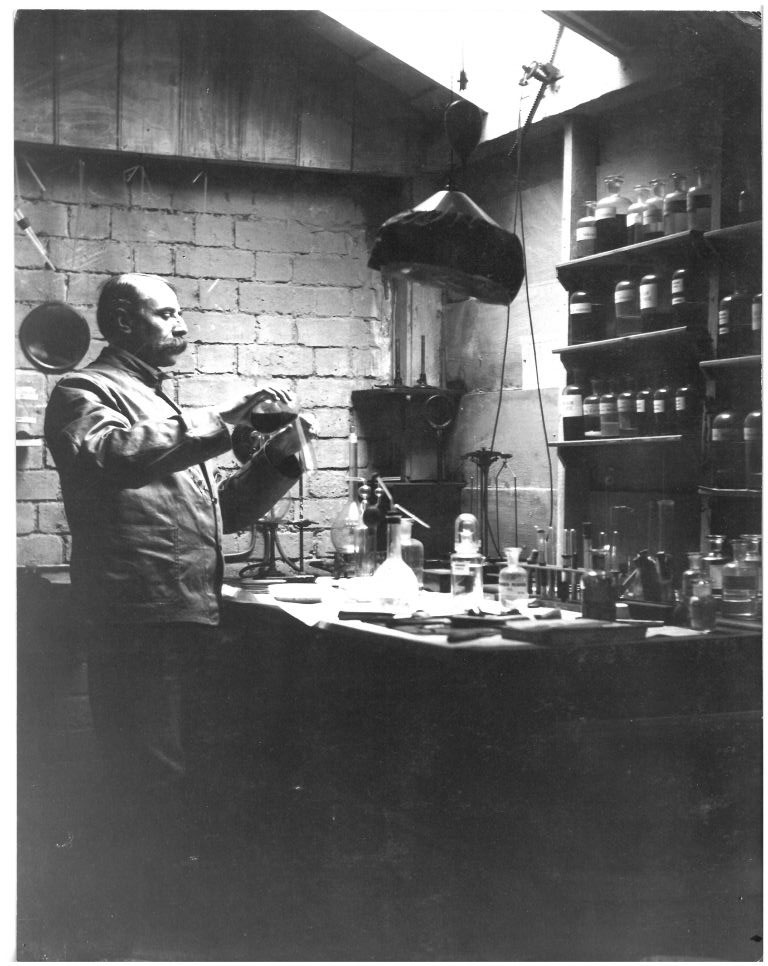
When you listen to Elgar’s music, it’s easy to forget a real person created it. Beyond the famous name and celebrated works was someone with hobbies, opinions, inspirations and ambitions. Archives help us see him as he was, a human being with a rich and complex life.
Heather says: “Elgar's work is now within standard repertoire for British orchestras and culturally, we know more Elgar than we realise – humming Pomp and Circumstance Marches from an advert or Land of Hope and Glory when we're feeling 'really rather British.'"
She continues: “Photographs like this remind us that he was a scientist in many ways, experimenting in many areas of his life. New compositions, exploring chemistry in his garden shed-cum-laboratory and participating in the ever-changing field of recording technology. What is now 'classical' was created by a man who was moving through life one experiment at a time.”
A poem
Elgar’s connections filter through this collection like string bindings. There are many shared histories with notable individuals from the past.
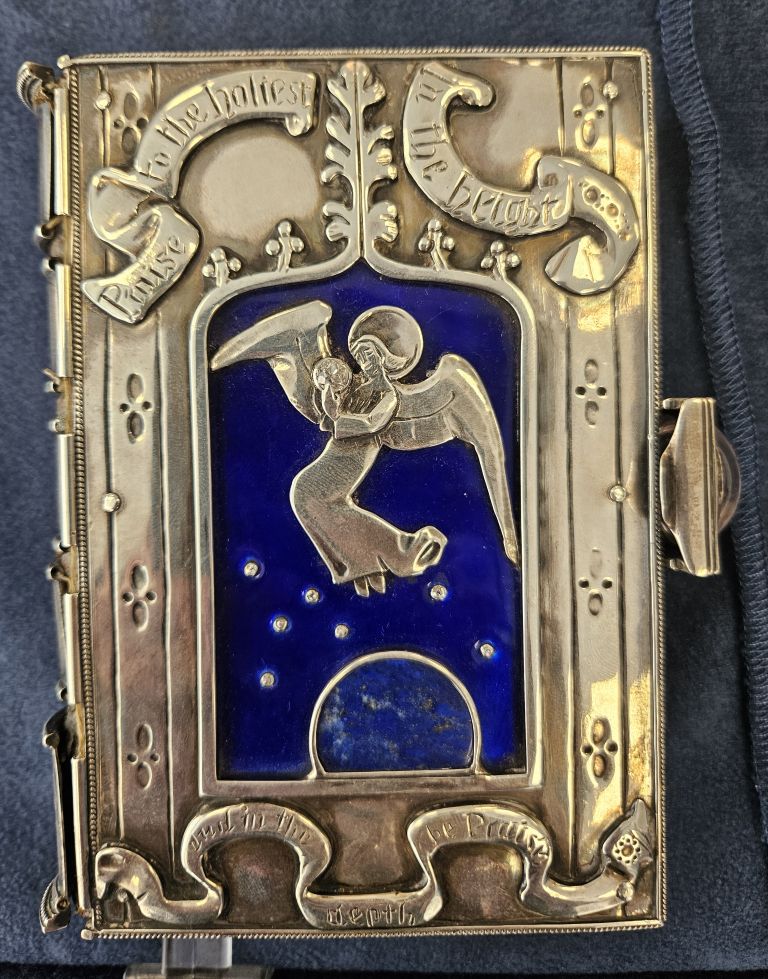
“This is possibly the prettiest thing in the archive”, states Heather. “To show his appreciation for Elgar's setting of his poem, Dream of Gerontius, Cardinal Newman had this incredible manuscript made. The cover is an Art Nouveau design in a silver case showing an angel against a deep blue enamel and lapis lazuli sky with stars picked out in diamonds. The inside is handwritten and decorated with gold leaf, with all the parts of the poem that Elgar didn't use in his piece, alongside snippets of his music.”
Our funding for the Elgar archive is just one of over 1,400 grants we have awarded since 1980. Explore more of the world-class heritage we've saved for the people of the UK.